![FREE SHIPPING on orders over 8500 TK, 10 Day Money - Back Guarantee💯 Try Risk Free- AUTUMN SALE - Up to 40% OFF 💒 [WHATSAPP:- 01843682573]](https://cityshop.com.bd/public/storage/images/general_setting/iUPi8tpHdzhuRDiTNgPYuGtPJAVFN0Fv0VhT8VIS.png)
Morning vs Night Skincare: What Really Matters?
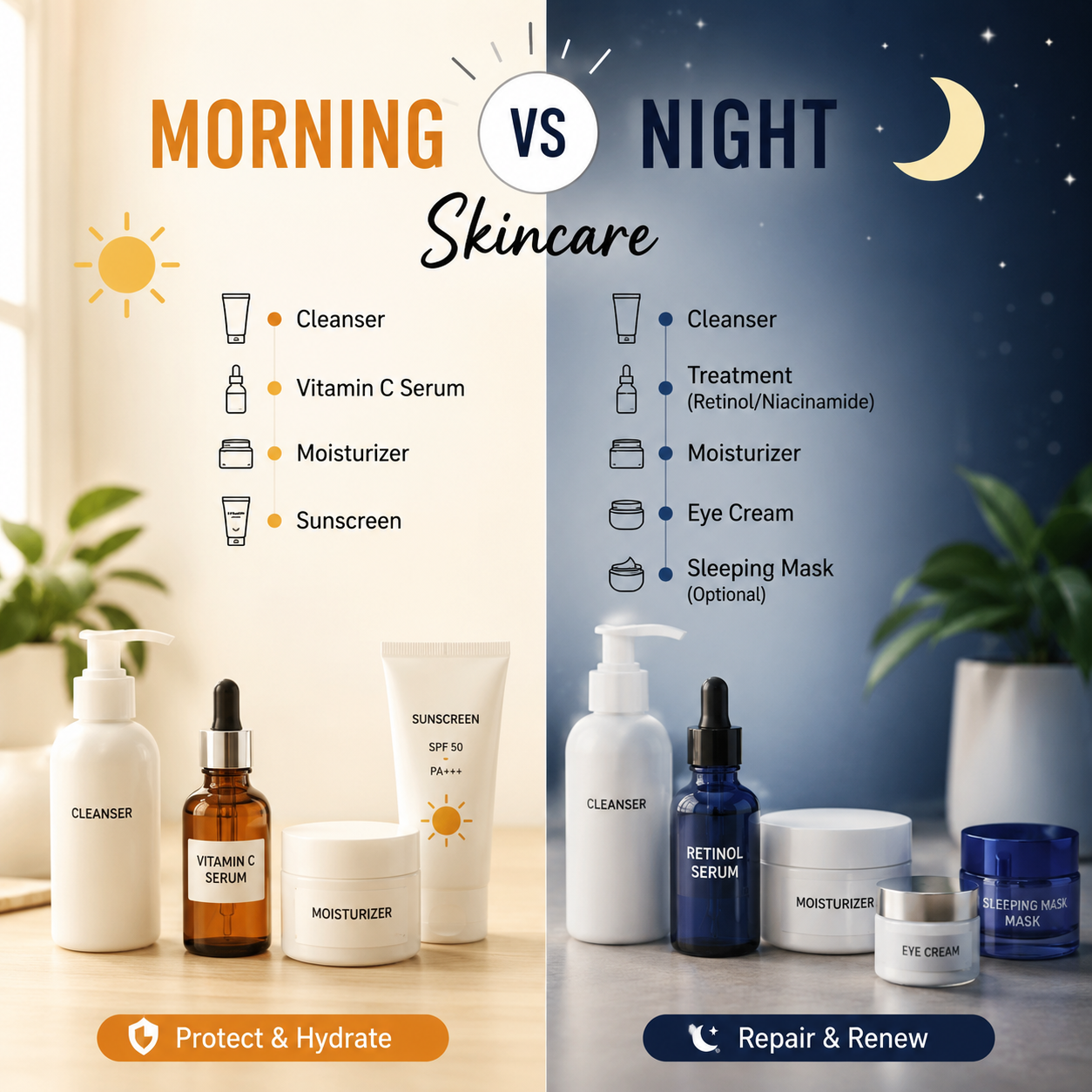
Have you ever wondered why so many skincare experts recommend having two separate routines—one for the morning and another before bed? The answer is simple: your skin has different needs during the day and at night.
During the day, your skin acts like a shield, protecting you from sunlight, pollution, dust, and other environmental stressors. At night, while you're asleep, your skin switches into repair mode. It works to regenerate cells, restore moisture, and recover from the day's damage.
This is why using the same skincare products morning and night isn't always the best approach. Understanding what your skin needs at different times of the day can help you build a routine that keeps it healthy, hydrated, and glowing.
Why Your Skin Needs Different Care
Think of your skin as someone working two shifts.
In the daytime, its main job is defense. It battles UV rays, dirt, pollution, and even blue light from screens. Throughout the day, your skin loses moisture and produces oil to protect itself.
At night, everything changes. While your body rests, your skin gets to work repairing tiny injuries caused by sun exposure and environmental damage. Blood circulation increases, collagen production improves, and new skin cells replace old ones.
Because these natural processes are different, your skincare routine should support what your skin is already trying to do.
Morning Skincare: Protect Before You Step Outside
Your morning routine doesn't need to be complicated. The goal is to prepare your skin for everything it will face during the day.
Start with a Gentle Cleanser
Even though you cleaned your face before bed, your skin still produces oil and sweat overnight. Washing your face in the morning removes these impurities and gives you a fresh base for the rest of your skincare.
Choose a cleanser that matches your skin type. If your skin feels oily, a lightweight gel cleanser works well. If it feels dry or tight, a cream-based cleanser is usually a better choice.
Add Hydration
After cleansing, your skin benefits from extra hydration.
A hydrating toner or essence can help replenish moisture and prepare your skin to absorb the next products more effectively. While this step isn't essential, many people notice their skin feels softer and more comfortable when they include it.
Use a Vitamin C Serum
Vitamin C has become one of the most popular morning skincare ingredients—and for good reason.
It helps brighten dull skin, fade dark spots, support collagen production, and protect your skin against damage caused by pollution and free radicals.
A few drops applied after cleansing can make a noticeable difference over time.
Moisturize Every Day
One of the biggest skincare myths is that oily skin doesn't need moisturizer.
The truth is every skin type needs hydration.
Moisturizer helps strengthen your skin barrier and prevents water loss throughout the day. If your skin is oily, choose a lightweight gel moisturizer. Dry skin usually benefits from richer cream formulas.
Never Skip Sunscreen
If there's only one skincare product you never forget, it should be sunscreen.
Sun exposure is one of the biggest causes of premature aging, pigmentation, wrinkles, and uneven skin tone.
Using a broad-spectrum sunscreen with SPF 30 or higher every morning helps protect your skin from harmful UV rays, even on cloudy days.
If you're spending time outdoors, remember to reapply every two hours.
A Simple Morning Routine
You don't need ten different products.
For most people, a simple routine looks like this:
Cleanser
Hydrating toner (optional)
Vitamin C serum
Moisturizer
Sunscreen
Consistency matters much more than having an overflowing skincare shelf.
Night Skincare: Help Your Skin Recover
Your nighttime routine has a different purpose.
Instead of protecting your skin, it's about giving it everything it needs to repair and regenerate while you sleep.
Remove Everything from the Day
Throughout the day, your skin collects sunscreen, oil, sweat, pollution, and sometimes makeup.
Going to bed without removing these impurities can clog pores and lead to breakouts.
If you wear sunscreen or makeup, double cleansing is often the best option. Start with an oil-based cleanser to dissolve makeup and sunscreen, then follow with a gentle water-based cleanser to remove any remaining residue.
Apply Treatment Products
Nighttime is the best time to use active skincare ingredients because your skin isn't exposed to sunlight.
Depending on your skin concerns, you might choose:
Retinol to reduce fine lines and improve skin texture.
Niacinamide to calm redness and control excess oil.
Hyaluronic acid for deep hydration.
Ceramides to strengthen the skin barrier.
You don't need every active ingredient at once. Start slowly and allow your skin time to adjust.
Lock Everything In
Finish your routine with a moisturizer.
Night creams are often richer than daytime moisturizers because they're designed to prevent moisture loss while you sleep.
If your skin feels especially dry, you can also use a sleeping mask once or twice a week for an extra hydration boost.
A Simple Night Routine
A balanced evening routine can be as simple as:
Cleanser (or double cleanse)
Treatment serum
Moisturizer
Sleeping mask once or twice a week if needed
Morning vs Night Skincare: What's the Difference?
| Morning Routine | Night Routine |
|---|---|
| Protects the skin | Repairs the skin |
| Focuses on prevention | Focuses on recovery |
| Includes sunscreen | Includes treatment products |
| Uses lightweight products | Uses richer, nourishing products |
| Shields against environmental damage | Supports skin regeneration |
Common Mistakes People Make
Many people spend money on expensive skincare but overlook the basics.
Some of the most common mistakes include:
Skipping sunscreen because it's cloudy.
Sleeping with makeup on.
Using too many active ingredients at the same time.
Washing the face too often.
Changing skincare products every week without giving them time to work.
Healthy skin doesn't happen overnight. Consistency is far more important than perfection.
Tips for Better Skin
A good skincare routine works best when paired with healthy daily habits.
Try to:
Drink enough water.
Eat a balanced diet rich in fruits and vegetables.
Get enough sleep each night.
Avoid touching your face unnecessarily.
Wash pillowcases regularly.
Introduce new products one at a time.
These small habits can make a surprisingly big difference over time.
Frequently Asked Questions
Is a morning skincare routine enough?
No. Morning skincare protects your skin, while nighttime skincare helps repair it. Both routines complement each other.
Can I use the same moisturizer day and night?
Yes, especially if it suits your skin type. However, many people prefer a lighter moisturizer during the day and a richer one before bed.
Do I really need sunscreen if I work indoors?
Yes. UV rays can pass through windows, and daily sunscreen also helps protect against incidental sun exposure when you're outside.
Should I use retinol every night?
If you're new to retinol, start with two or three nights per week and increase gradually as your skin becomes more tolerant.
How long does it take to see results?
Most people notice improvements in hydration within a few days. For concerns like pigmentation, acne, or fine lines, visible results typically take 6–12 weeks of consistent use.
Final Thoughts
There isn't a "better" routine between morning and night skincare—they simply have different jobs. Your morning routine protects your skin from the challenges of the day, while your nighttime routine gives it the support it needs to heal and renew itself.
The best skincare routine isn't the one with the most products—it's the one you can stick to every day. Start with the essentials: cleanse, moisturize, and wear sunscreen in the morning. At night, cleanse thoroughly, use targeted treatments if needed, and finish with a nourishing moisturizer.
Over time, these simple daily habits can help your skin look healthier, feel smoother, and maintain a natural glow. Remember, skincare is a long-term investment, and consistency will always deliver better results than chasing the latest trends.
Related Posts
-
L'Oréal Professionnel Liss Unlimited Shampoo – কোঁকড়া ও ফ্রিজি চুলের জন্য সেরা সমাধান
30 October 2025
11 months ago
-
দৈনন্দিন ত্বক পরিচর্যার সেরা সঙ্গী
12 October 2025
1 year ago
-

The Top 10 Peptide Products in Bangladesh
04 March 2026
7 months ago
-

Shiseido Fino Premium Touch: আপনার চুলের যত্নে জাপানিজ সিক্রেট এবং কমপ্লিট হেয়ার কেয়ার গাইড
04 May 2026
5 months ago
-
জাপান হেয়ার কেয়ার সিক্রেট: SHISEIDO TSUBAKI Premium EX Damage Care & Moist Repair
29 December 2025
9 months ago
-

Best Skin Care Products in Bangladesh: A Complete Guide for Healthy and Glowing Skin
03 June 2026
4 months ago
-
স্কিনের দাগ সারানোর সহজ উপায় – কার্যকর টিপস ও স্কিন কেয়ার গাইড
05 March 2026
7 months ago
-

সুস্থ ও উজ্জ্বল ত্বকের রহস্য: CeraVe-এর সেরা ৬টি প্রোডাক্টের কার্যকারিতা ও ব্যবহার
16 May 2026
4 months ago
-
Cetaphil Daily Facial Cleanser - Normal to Oily Skin (237ml) | CityShop BD
28 January 2026
8 months ago
-

L'Oréal হেয়ার কালার: সুন্দর, স্টাইলিশ ও দীর্ঘস্থায়ী চুলের রঙ
14 March 2026
7 months ago
-
CeraVe Acne Control Cleanser - 355ml | CityShop
02 March 2026
7 months ago
-

Summer Skincare Guide for Bangladesh: Beat Sweat, Acne & Sun Damage in 2026
24 June 2026
3 months ago
-

CeraVe Skincare Routine Guide in Bangladesh | CityShop.bd
18 May 2026
4 months ago
-

সানস্ক্রিন ব্যবহারের সম্পূর্ণ গাইড ২০২৬ | বাংলাদেশের জন্য সেরা Sunscreen নির্বাচন
13 June 2026
4 months ago
-

Afnan 9PM Eau de Parfum (EDP) MEN-100ml – আধুনিক পুরুষদের জন্য এলিগেন্ট ও লং-লাস্টিং পারফিউম
03 May 2026
5 months ago
-

Best Budget-Friendly Skincare Routine Under ৳1000
04 July 2026
3 months ago
-

রেটিনল (Retinol): কখন, কেন ও কিভাবে ব্যবহার করবেন?
11 June 2026
4 months ago
-
Men's Skincare Made Simple: A Beginner's Guide
04 July 2026
3 months ago
-
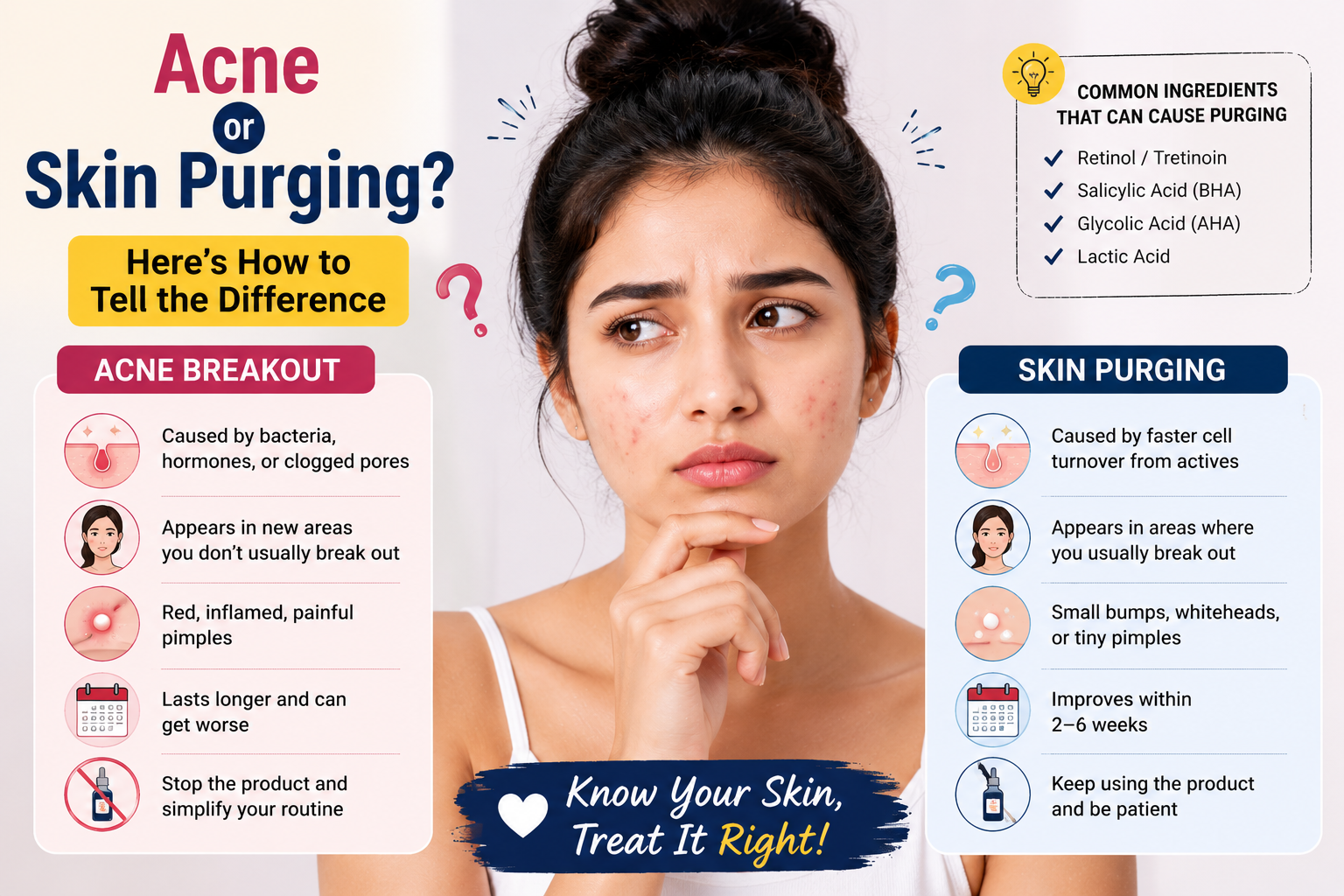
Acne or Skin Purging? Here's How to Tell the Difference
25 June 2026
3 months ago
